
Common candle making problems – Part 2: Smoking, sputtering and extinguishing
Does the candle smoke, sputter or go out by itself? These are common situations encountered by candle makers, whether beginners or advanced. Most of the time, it's nothing complicated - the problem is related to the wick, the burning conditions, or the combination of wax and fragrance.
Let's talk about what this means and how to prevent it.
##MEDAILONEK_EN_001##
Why the candle smokes
You can tell when a candle is smoking by the black smoke, soot on the glass or the smell that is produced when it burns.
The most common causes of candle smoking
- Too long or thick wick
The flame is too high or unstable and produces soot.
💡 Always shorten the wick to about 3-5 mm before lighting - Usuitable wick for candle diameter
A thick wick in a small candle means overheating and smoking. - Draft or air movement
An open window or vent deflects the flame - burning is uneven.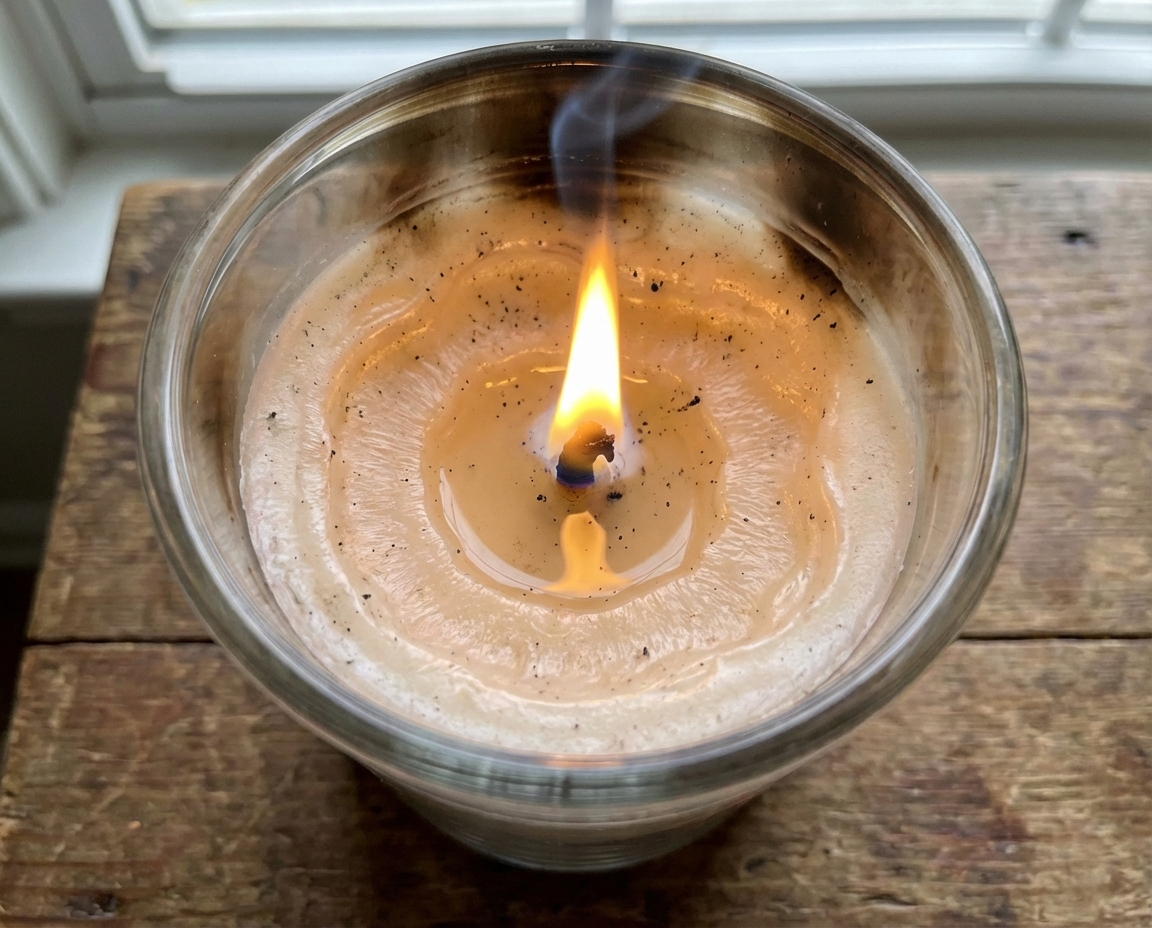
Why a candle pops
Cracking is less common than smoking, but it can be really annoying.
The most common causes of candle cracking
- Wood wick
Light cracking is normal with wood wicks - it's a typical effect of wood burning - Moisture or dirt in the wax
If water or dirt gets into the wax, it may cause a little sizzling. - Too much fragrance essence
Excessive perfuming can alter the combustion of the wax and cause sizzling. We recommend using approximately 40 drops of fragrance per 100g of wax. Use essences suitable for candle making.
Why the candle goes out
Extinguishing during burning is frustrating, but it is usually a wick or wax setting error.
The most common causes of candle extinguishment
- Wick too weak or short
The flame does not have enough fuel and goes out in a deep wax bath. - Inappropriate wax and wick combination
Some waxes require a thicker or different type of wick.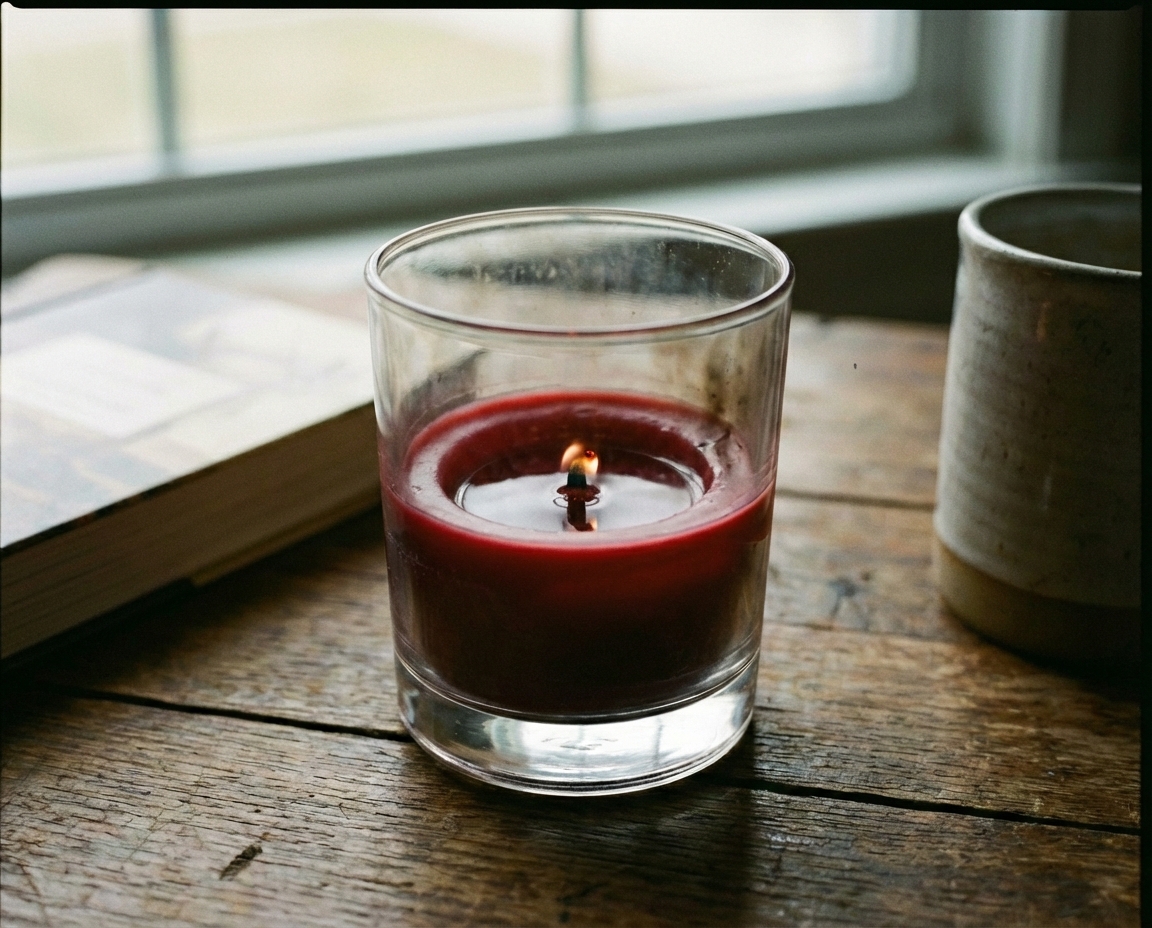
How to prevent smoking, sizzling and extinguishing
✔️ Trim the wick before each lighting - approx 3-5mm
✔️ Choose the correct wick for the candle diameter and wax type
✔️ Follow the recommended amount of fragrance - do not overload the wax
✔️ Leave the candle burning in a draft-free place
➡️ Continuing the series:
In the next article, we'll look at dropped candle and craters after wax hardening.