
Epoxy resin layering and combining different types of resins
In this article, we will take a closer look at how to layer resin and whether it is possible to combine different types of resin, including epoxy and UV resin. Combining different resin systems and layering resin is common practice, but it follows clear rules.
##MEDAILONEK_EN_001##
When and how can I layer resin?
-
Layering with a visible seam
This type of layering is desirable when we pour a colored layer first and then add either another colored layer or a transparent one on top. This is typical, for example, when casting pyramids or creating products with a colored base that contains arranged objects visible beneath a clear top layer. In such cases, we do not want the layers to blend together.
How do we achieve this? Simply allow the first layer to cure for the full curing time specified by the manufacturer. Once it can still be lightly scratched but no longer feels sticky or stretchy — in other words, once it no longer flows — the second layer can be poured.
There is no need to sand or degrease the previous layer (unless it has been touched with bare hands or treated with oil or polishing paste). The next layer will permanently bond to it. Once cured, these layers cannot be separated.
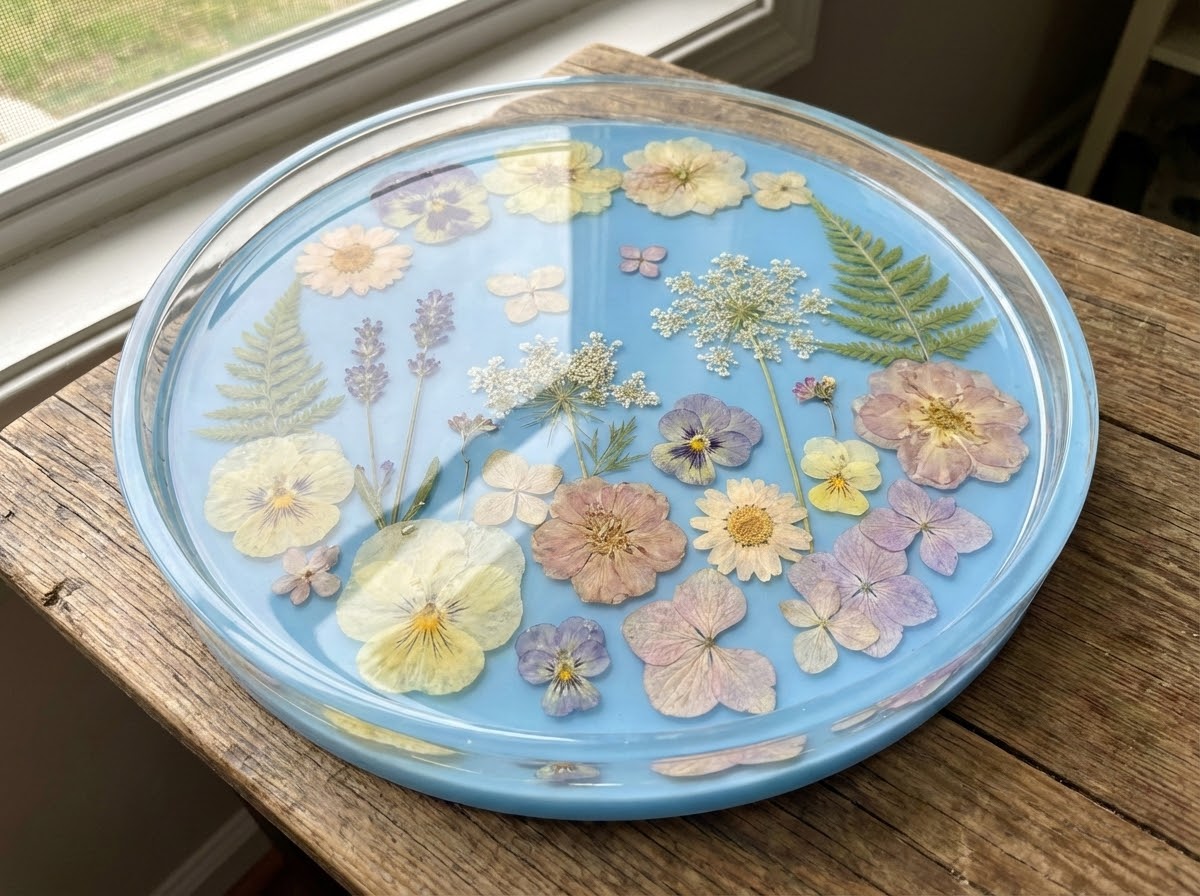
Illustrative image -
Layering without a visible seam
If we want to create the effect of an object “floating” inside the resin, a different approach is required. In this case, we do not want a visible transition line, so the second layer must be poured during the gel phase of the first layer.
The gel phase is the stage of curing when the resin is no longer liquid but not yet fully hardened. It has the consistency of thick gel or dense honey. If the next layer is poured at this exact stage, both layers chemically bond together and the transition becomes invisible.
While this sounds simple in theory, achieving a floating effect requires practice. The perfect timing depends on many variables: ambient temperature, material temperature, volume of resin, the specific resin system used (each cures at a different speed), and the weight of the inserted object. Always experiment with replaceable items that have no sentimental value — once embedded in resin, they cannot be removed without damage.
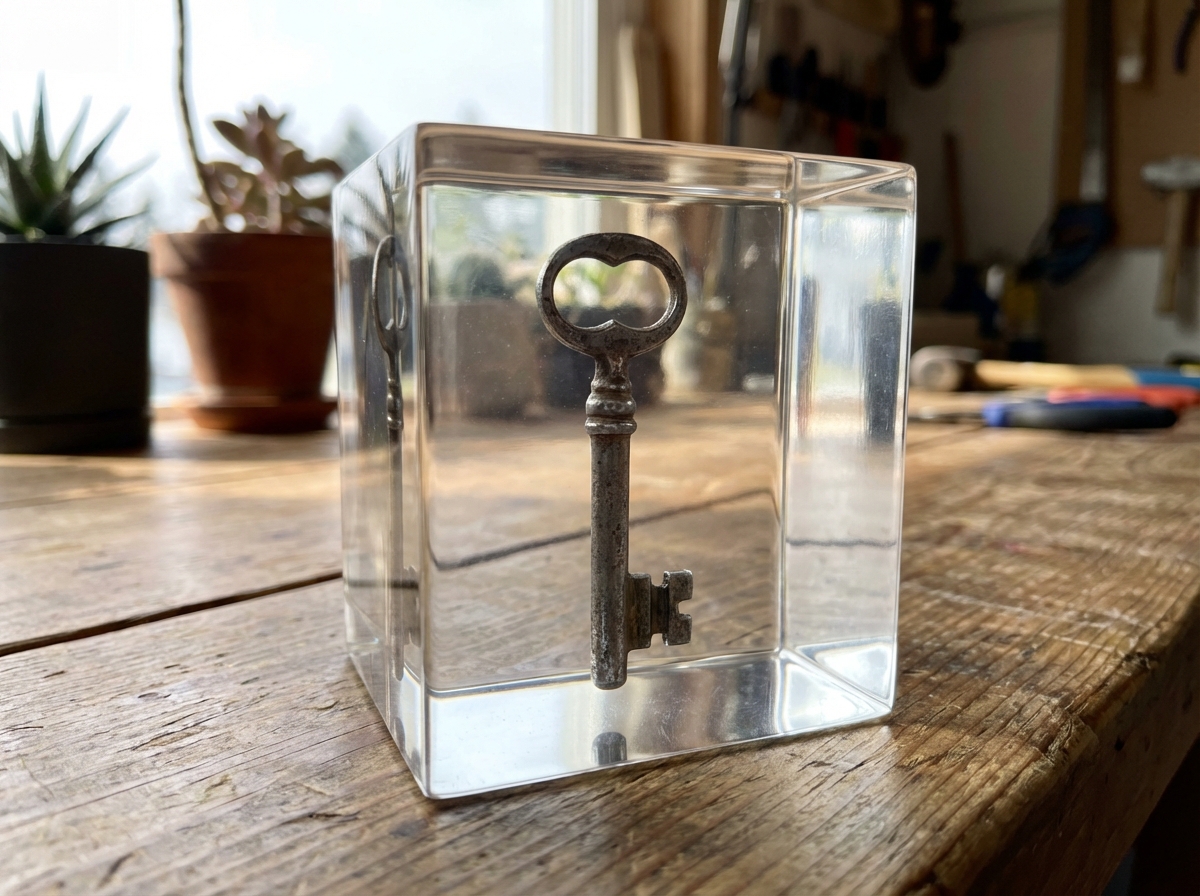
Illustrative image
Can I combine different types of resin when layering?
If we have multiple resin systems available or need to pour a thick base layer followed by a thinner top layer, different types of resin can be used — but only if the previous layer is fully cured. It is not possible to combine different resin types if the first layer is fully or partially liquid. Once the surface is solid, smooth, and non-sticky, another resin can be poured on top.
Different epoxy systems have different chemical compositions and reaction speeds. Pouring a new material onto an insufficiently cured layer of another system can disrupt the structure of the lower layer and interfere with its curing process.
Can I combine UV resin with epoxy resin?
A specific case is the combination of UV resin and epoxy resin. In practice, this is mainly used when something needs to be quickly fixed in place — for example, a small decoration, stone, metal element, or component.
The process is simple: use UV resin to attach the element in place and cure it with a UV lamp. UV resin hardens within minutes and securely holds the object. Once cured, epoxy resin can be poured almost immediately. The epoxy then acts as the final structural layer.
However, UV resin should only be used in a thin layer and strictly as a fixing aid. It should not form a thick structural intermediate layer beneath a large volume of epoxy.
Summary
- A different type of resin may only be applied onto a fully cured previous layer.
- An invisible transition is only possible when using the same epoxy system and pouring during the gel phase.
- UV resin is ideal as a quick fixing aid before final epoxy casting.
By following these rules, different resin systems can be safely combined without the risk of cracking, delamination, or other unwanted issues.